


Wire mesh decking has become an essential component in modern warehouse storage systems, offering a safe, durable, and highly efficient solution for supporting a wide range of goods. Whether used in pallet racking, picking zones, or bulk storage areas, mesh decking provides several key advantages that help businesses improve daily operations and long-term performance.
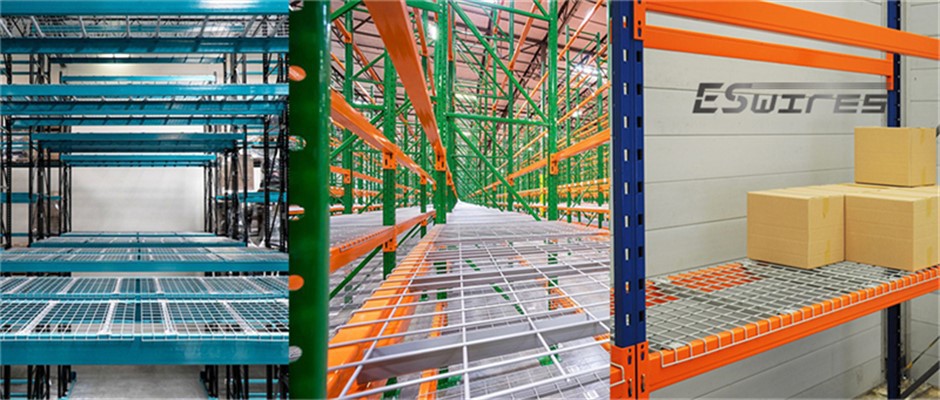
1. Enhanced Safety and Stability
One of the biggest benefits of metal wire decking is the increased safety it brings to warehouse environments. The welded wire surface prevents cartons, small items, and unstable packages from falling through rack beams. With strong load capacity and reinforced channels, mesh decking adds structural support and reduces accidents, making it a reliable choice for high-density storage.
2. Superior Fire Safety Compliance
Unlike solid shelving, wire mesh decking allows water from sprinkler systems to flow through easily during emergency situations. This supports better fire suppression and helps warehouses comply with fire safety regulations. As a result, many facilities prefer mesh decking over wood or steel panels.
3. Improved Visibility and Inventory Accuracy
The open-mesh design offers clear visibility from below, making wire mesh decking easier for workers to identify stored items on higher rack levels. This reduces picking errors, enhances accuracy, and speeds up warehouse operations-especially in fast-moving logistics environments.
4. Better Airflow and Cleaner Storage
The mesh structure promotes natural airflow, reducing moisture buildup and minimizing dust accumulation. This helps create a cleaner, more hygienic storage area, especially important for food, retail, and pharmaceutical warehouses.
5. Easy Installation and Low Maintenance
Wire decking simply drops into place without the need for fasteners or tools. It requires minimal maintenance and has a long service life, providing excellent value for money.
In summary, wire mesh decking is a practical and efficient solution that enhances safety, organization, and operational productivity in warehouse storage systems.


