


In today's industrial warehouses and logistics centers, businesses need storage systems that are flexible, durable, and space-efficient. Post pallets, also known as stackable pallet racks, have become a popular solution across many industries. Here are 10 important reasons why post pallets are an excellent choice for industrial storage.
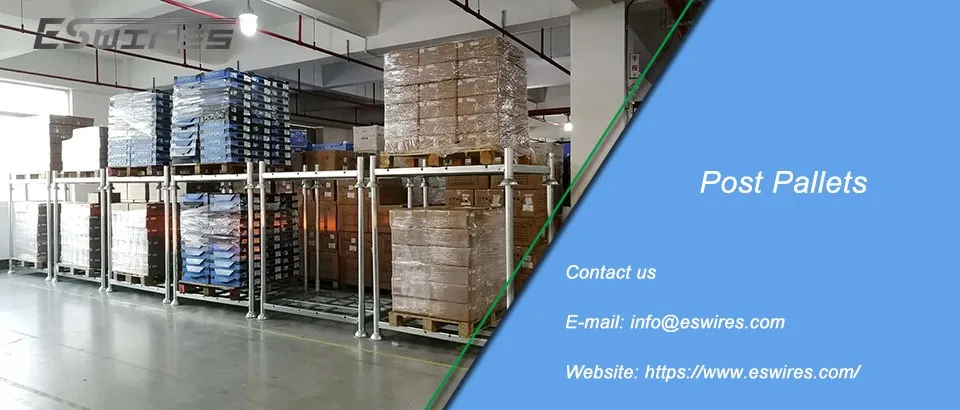
1. Maximize Vertical Space
Post pallet racks allow goods to be stacked safely in multiple layers, helping warehouses make better use of vertical storage space.
2. Flexible Warehouse Layouts
Unlike fixed racking systems, post pallets can be easily moved and rearranged to meet changing storage needs.
3. Easy to Assemble and Disassemble
Many metal post pallets feature removable posts, making installation and storage quick and convenient.
4. Improve Storage Efficiency
By organizing products neatly within stackable units, they help reduce clutter and improve warehouse organization.
5. Durable Steel Construction
Built from strong steel materials, post pallets can handle heavy loads and withstand demanding industrial environments.
6. Forklift Compatible
They are designed for easy handling with forklifts and pallet jacks, improving loading and unloading efficiency.
7. Space-Saving When Not in Use
Collapsible or nestable designs help reduce occupied space during return transport or idle storage periods.
8. Suitable for Multiple Industries
They are widely used in automotive, manufacturing, food and beverage, textile, and logistics industries.
9. Reduce Product Damage
The structured design helps stabilize goods during storage and transport, reducing the risk of product damage.
10. Cost-Effective Storage Solution
Compared with permanent racking systems, steel post pallets provide a flexible and reusable storage option with lower investment costs.
In conclusion, post pallets combine flexibility, durability, and efficiency, making them an ideal storage solution for modern industrial operations. Their stackable design and adaptable structure help businesses optimize warehouse space while improving overall logistics performance.


